

Ancestrally Woven, Invested in Our Future

ANCESTRALLY
WOVEN,
INVESTED
IN OUR FUTURE
TABLE OF CONTENTS
- Letter to our ShareholdersLeadershipStrategic Mission, Goals & Business
- Investing in our Lands
- Investing in our Communities
- Investing in our Future


COVER ARTIST STATEMENT
X’adasteen Connor Meyer is Kwaashki’Kwáaan (Raven/Humpback Salmon) of the Nuu Hít (Fort House) from Yakutat, Alaska. A multidisciplinary visual artist working as a photographer and cinematographer, his work spans documentaries, commercial campaigns, and community-centered storytelling, driving efforts that uplift community voices, advance Alaska Native and environmental advocacy, document generational knowledge, empower youth, and lead collaborative efforts that drive awareness, connection, and change.
Photo Credits
Sydney Akagi: Lily Hope portrait, Weaving our Pride photos, Tlingit & Haida: Man harvesting bark


Dear Shareholders,
This year’s theme, Ancestrally Woven, Invested in Our Future, reflects the enduring connection between where we come from and where we are going. The generations who came before us wove the first strands of Sealaska’s story. Through their leadership, knowledge, and vision, they created the foundation that continues to guide our work today. Their investment in our people, lands, and communities was intentional. As president, my responsibility is to carry that work forward while ensuring Sealaska continues to create opportunity and strength for the generations who will follow.
Weaving teaches us that strength comes from connection. Each strand has purpose, but it is the way those strands are brought together that creates something enduring. In a weaving, the warp forms the foundation, holding each strand in place and giving the work its structure. At Sealaska, that foundation is our shared identity — our cultures, our values, and our responsibility to our shareholders and homelands.
Our work today is about weaving together many responsibilities: strong business performance, stewardship of our lands, and continued investment in our people. When these strands are aligned, they create something lasting. We measure our progress not only through financial results, but through the ways we strengthen our communities, support language revitalization, invest in education, and ensure future generations are empowered, have new opportunities and remain connected to who we are.
Sealaska remains financially strong and operations in 2025 delivered stable results that allow us to continue investing in direct shareholder benefits, educational opportunities, and programs that reach families across our homelands. You will find more details in the financial sections that follow, but the broader story is this: Sealaska’s continued financial strength allows us to reinvest in our people, culture, and communities.
This year we expanded programs that support language revitalization, cultural education, internships, and career development. These efforts are deeply important. They reflect our belief that opportunity for future generations must remain rooted in culture, belonging, and connection to place.
The past year has also been a time of transition. I am honored to serve as president of Sealaska. As I step into this role, I do so with humility and deep respect for the leaders and shareholders who have shaped this organization over many years. My commitment is to listen carefully, to lead with transparency, and to ensure that Sealaska continues to reflect the voices and priorities of our shareholders. I am grateful for the support and leadership of our board of directors during this transition.
In the coming year, I look forward to meeting and engaging with shareholders across our communities. Community meetings, cultural gatherings, and shareholder events create space for meaningful conversation. These moments allow us to share updates, answer questions, and most importantly, listen. Your perspectives help guide Sealaska’s path forward, and your participation in community gatherings, programs, and corporate elections strengthens our shared future.
Like a weaving that grows strand by strand, Sealaska’s future is shaped through the collective contributions of our shareholders, directors, management, staff and communities. Together, we continue building a future that reflects who we are as a people while creating opportunity for the generations ahead.
Sarah Aanshawatk’i Dybdahl,
President
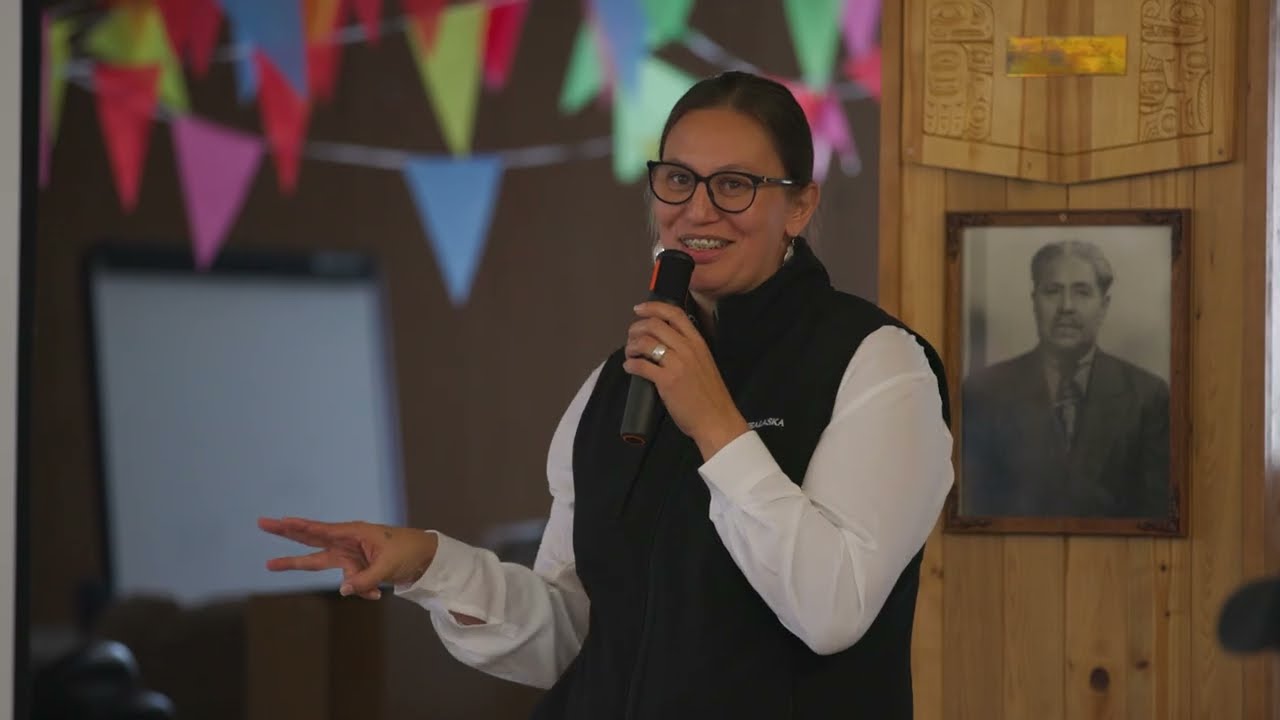
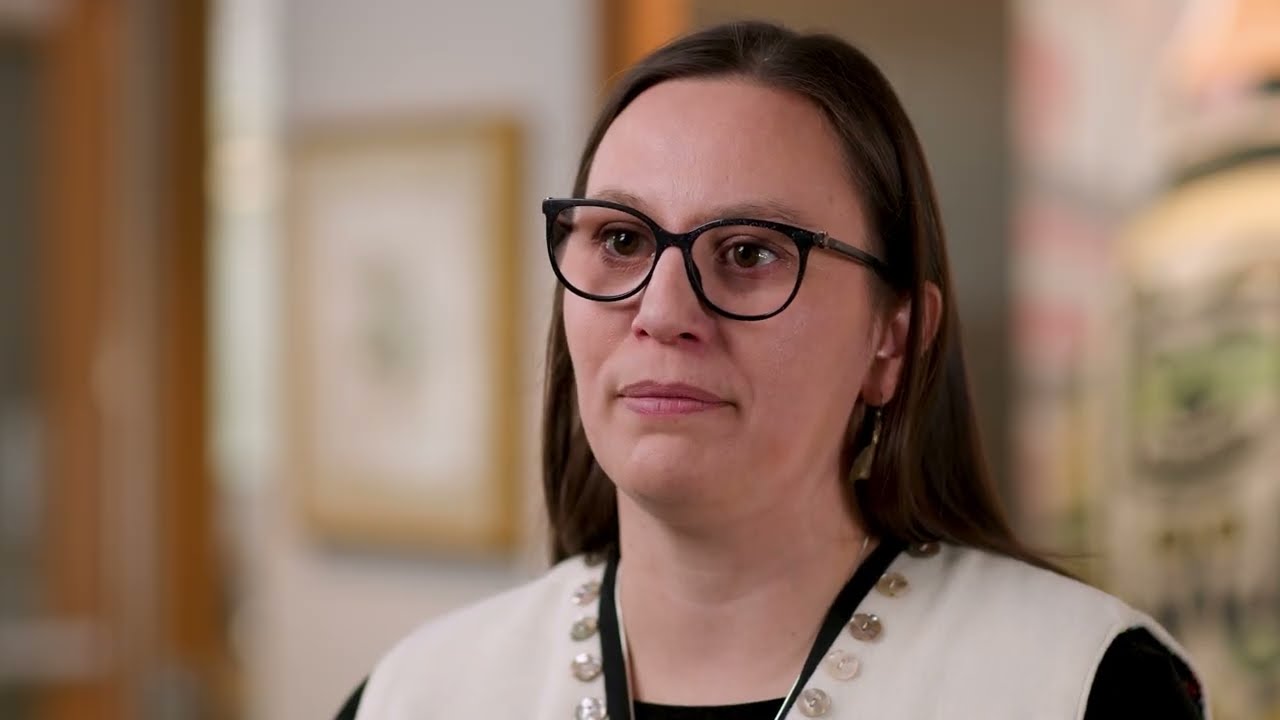

Dear Shareholders,
In 2025, the board of directors remained focused on disciplined governance, long-term strategic direction and ensuring that Sealaska’s activities reflect the priorities of our shareholders and communities, who we engaged with throughout the year, bringing forward a wide range of perspectives on corporate direction and governance, underscoring the importance of transparency, accountability and consistent oversight.
The theme of this year’s report — Ancestrally Woven, Invested in Our Future — captures the intentional integration of operational performance, cultural values and corporate responsibility. Sealaska has long emphasized that cultural identity and business results are interconnected elements of lasting organizational strength, and this understanding continues to guide our approach to strategy and stewardship.
Building on our strong financial foundation, Sealaska’s operations produced stable results in 2025, enabling continued shareholder benefits while preserving financial flexibility for future opportunities. Strong performance outside our region strengthens our ability to invest within it, ensuring that long-term value creation remains centered on our people and communities. Detailed financial information is provided in the audited sections that follow.
The corporation also continued to advance shareholder development and cultural programs. Investments in language revitalization, cultural continuity, internships and professional development expanded opportunities for shareholders across generations and career stages. A significant development this year was the appointment of Sarah Dybdahl as president. Her leadership reflects the strengths and diversity of our shareholder community and supports both strategic direction and operational success.

Shareholder participation remains essential to Sealaska’s long-term strength. Reviewing annual materials, evaluating candidates and voting in corporate elections all contribute to effective governance and collective progress. Thank you for your continued commitment to Sealaska.
Richard Tashee Rinehart,
Board Chair
LEADERSHIP


Caleb Sequoia Lee
Haida Sdaasdas Eagle Clan
Hydaburg

Aaní X̲’akjeek Tláa Perkins
Kiks.ádi, Shtéen Hít
Sheet’ká K̲wáan

MISSION & GOALS
• Our Past, Present, Future
• Our Strength, Leadership
• Balance, Reciprocity, Respect
LEADERSHIP TO DELIVER
MISSION-DRIVEN OUTCOMES

INTERWEAVING BUSINESS
AND STEWARDSHIP
In early 2022, Sealaska streamlined our ocean-health businesses, organizing them under a single roof — Woocheen.
Inspired by the voices of our shareholders and millennia of connection to our lands and waters, Woocheen operates across three main pillars of environmentally focused work: Geosciences, Sustainable Seafood and Construction & Environment.

Fundamentally, the Geosciences work is about improving understanding of our Earth. Woocheen’s geosciences businesses feature world-leading experts in ocean-focused science and engineering services, all designed to advance clean-energy expansion and climate research across the planet.

Our Sustainable Seafood businesses are about improving lives through seafood. Seafood has a lower environmental impact than land-based proteins, and greater nutritional value. Through sustainable seafood, we hope to bring greater awareness to the challenges facing our oceans.

In early 2022, Sealaska streamlined our ocean-health businesses, organizing them under a single roof — Woocheen. Inspired by the voices of our shareholders and millennia of connection to our lands and waters, Woocheen operates across three main pillars of environmentally focused work: Geosciences, Sustainable Seafood and Construction & Environment.
RESTORING
HOMELANDS
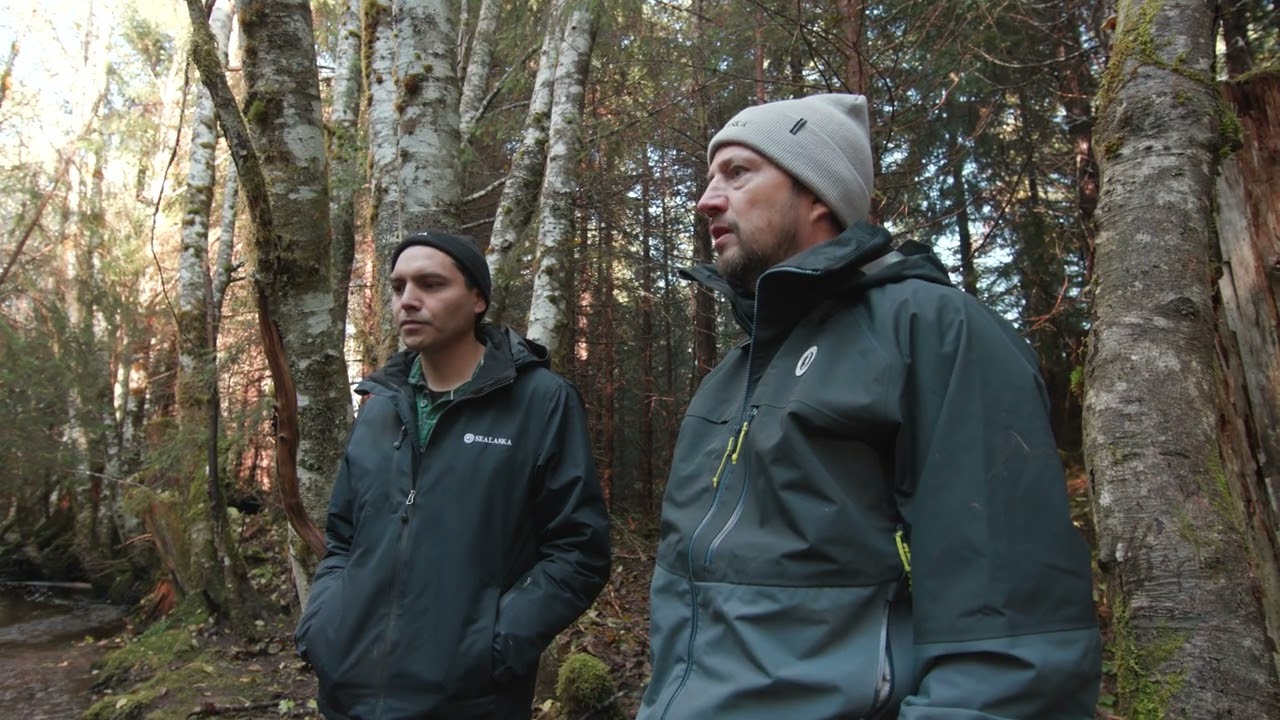
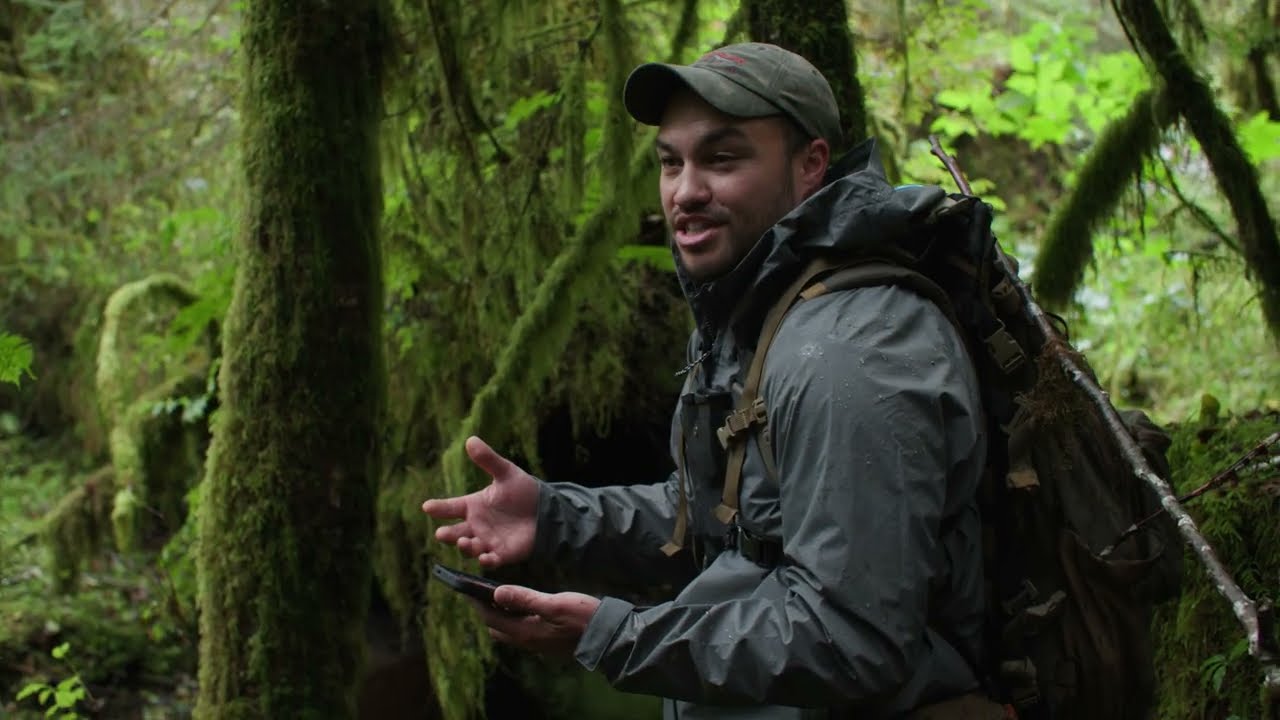
To weave the ecosystem back together, restoration crews work across the landscape–from braided stream channels to dense upland forests–using a holistic ecosystem approach. In the forest, treatments improve understory plants that support deer and other wildlife. In streams, crews place large woody debris to create pools and shelter that help salmon survive and thrive. Together, these actions weave together natural systems, strengthen subsistence resources, build resilience to environmental change and improve overall ecosystem health.
For both the land and the people who depend on it, this work shapes the future. “It is vital that we think about how what we are doing today will affect future generations,” said Quinn Aboudara, Natural Resource Manager with Shaan Seet Inc. “That motivates us to do a thoughtful job.”
Chandler Long
Sealaska Lands Manager


Camp Creek Restoration
Near Hoonah, Alaska

Halibut Creek Side Channels 1 & 2
Near Hoonah, Alaska

Jenny Creek Stream Habitat Improvement Workshop
Kake, Alaska

Duke Restoration Project
A watershed flowing into a Big Salt Lake near Klawock Alaska

Kina Creek Fish Passage
Prince of Wales Island

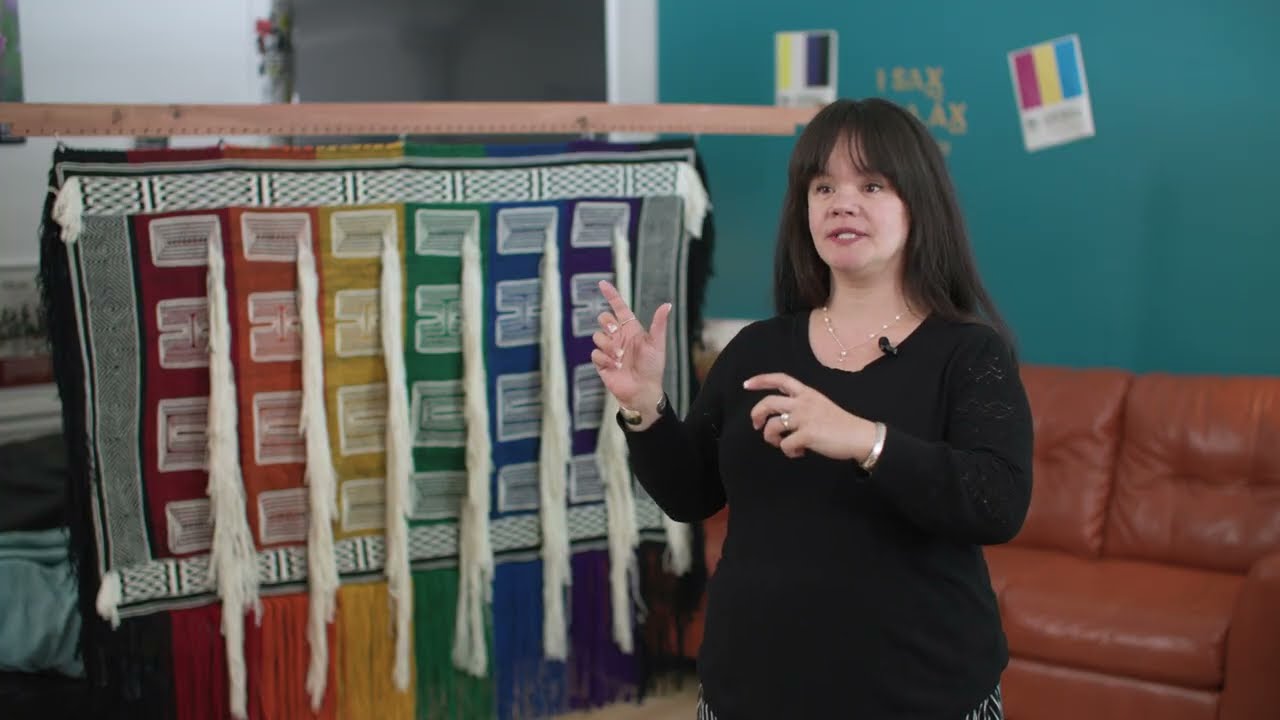
Lily Hope
Juneau Weaver
“We’ve been weaving the history of our
people for hundreds of years, through clan
migration, critical stories, dreams. These are woven documents.”

Minnie Johnson
Angoon Weaver
“The container we used was made of the bark of yellow cedar. It was a square box and water-proofed with pitch. Berries would never spoil in it.”

Teri Rofkar
Sitka Weaver
“Traditional methods of gathering
and weaving natural materials help me link past, present, and future.”
Teri Rofkar
Sitka Weaver

Plaited red cedar basket by Tlingit/Haida artist Della Cheney, weaved 2009.

PROTECTING
SOUTHEAST WATERS
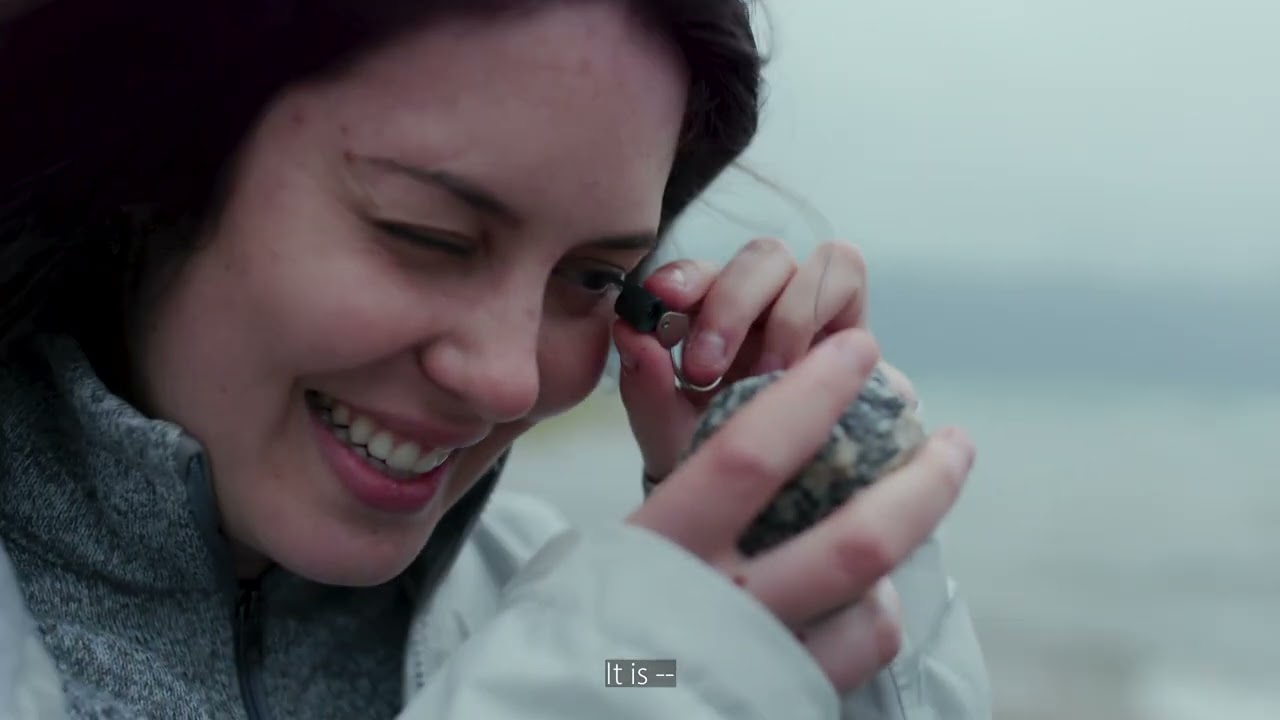
Once they arrive, they disrupt fragile ecosystems by outcompeting juvenile Dungeness crabs for food, while consuming significant amounts of clams, small fish and seagrass. Their feeding habits destroy important habitat for salmon and shellfish while increasing the risk of shoreline erosion.
Concern is widespread among Southeast residents that these green crabs will further current shellfish declines, which could cause a significant risk to the food security of local families.
Sealaska’s natural resources team has prepared a coordinated response to support early detection and rapid trapping. The department has secured permits and purchased traps to carry out multi‐day fieldwork with tribal partners across the region. The team also created a new trap loan program, providing villages access to gear they cannot purchase on their own as well as encouraging local crews to both deploy the traps and monitor shorelines throughout the season.
This work is helping to create a resilient, region-wide response to protect our coastal ecosystems, now and into the future.

This Tlingit basket was in poor condition upon donation to Sealaska Heritage Institute. No history accompanied this basket, other than it being previously owned by Alex Andrews of Sitka. With a handle and watertight weave, it could be used for water.

MALIA
TOWNE
OF SOUTHEAST WATERS
Malia Towne
Sealaska Natural Resources Technician
Once they arrive, they disrupt fragile ecosystems by outcompeting juvenile Dungeness crabs for food, while consuming significant amounts of clams, small fish and seagrass. Their feeding habits destroy important habitat for salmon and shellfish while increasing the risk of shoreline erosion.
Concern is widespread among Southeast residents that these green crabs will further current shellfish declines, which could cause a significant risk to the food security of local families.
Sealaska’s natural resources team has prepared a coordinated response to support early detection and rapid trapping. The department has secured permits and purchased traps to carry out multi‐day fieldwork with tribal partners across the region. The team also created a new trap loan program, providing villages access to gear they cannot purchase on their own as well as encouraging local crews to both deploy the traps and monitor shorelines throughout the season.
This work is helping to create a resilient, region-wide response to protect our coastal ecosystems, now and into the future.

The knowledge associated with this basket has not been preserved. Gaps like this reflect the cultural disruptions caused by colonial histories, where teachings and stories were interrupted or lost over time. If you have any information or knowledge to share, we invite you to reach out to Sealaska Heritage Institute to help restore and honor this history.
SUSTAINABLE
GROWTH


In the fall of 2017, Hoonah gathered to explore hydroponics as a method for growing food to benefit their community. With assistance from Sealaska through the Sustainable Southeast Partnership, the MOBY mobile greenhouse was towed in and quickly became a catalyst for learning and local food production. Students grew and harvested a diverse range of produce, showing what year-round cultivation could make possible. Motivated by these results, the community affirmed that a hydroponic greenhouse was essential to Hoonah’s food security.
Construction of a state-of-the-art, year-round hydroponic greenhouse, named “Áa Kawduwahaa yé” (Where we plant), was completed in April 2025 in Hoonah. Sealaska is proud to have financially supported the organizations that led this project to completion. Serving as a replicable model, Áa Kawduwahaa yé fosters local expertise which is an important step for our self-determination. Sealaska is committed to helping fund six new village hydroponic greenhouses in the coming years.
Nathan Moulton
Tribal Administrator
Hoonah Indian Association
Sealaska’s investment in Áa Kawduwahaa yé represents a meaningful step towards self-determination and food sovereignty for communities across Southeast Alaska. An initiative to provide sustainable, healthy and fresh food grown in our villages, alongside valuable job training and education for our people. Áa Kawduwahaa yé has operated for only a year, yet it is already creating an impact that will shape generations to come.

Basket woven around cylindrical bottle with lid, twined from red cedar and decorated with false embroidered designs in sun-bleached canary grass.
GROWING
OUR WORKFORCE

"It's supporting the economy as a whole. This is not just a school. It's not just a couple classes. It's Alaska's opportunity to develop an economic driver with multiplier effects that are going to positively change regions." — Charles Yáahl Sgwáansang Edwardson, Director.
Villages, as the wellsprings of culture, have seen an alarming out-migration moving to major cities as local job markets steadily shrink. Sealaska’s investment and partnership in Generations Southeast is working to reverse this trend and revitalize our communities.
Expansion of Generations Southeast includes further development of the Prince of Wales Island Campus to include on-campus housing and a hydroponic greenhouse to further grow a sustainable economy and competent workforce across the region.
Sealaska is working with communities and tribal organizations to identify the vocational needs of each unique community and how Generations Southeast can fill present and future needs. Providing place-based job training that directly benefits our villages is how we are ensuring our people and our homes remain for another 13,000 years.
Charles Edwardson
Generations Southeast Director
Sealaska Board Member



Spruce root basket with three bands of imbricated design made of Lóol
(Fireweed) and Kayaani (leaves) around the center of the basket.
BUILDING SAFE
LEARNING SPACES

The Tonalea award reflects Sealaska Constructors' strong qualifications, consistent performance and proven ability to execute demanding federal work. The Bureau of Indian Affairs, Sealaska Constructors' largest client, selected the company for its capacity to deliver high‐quality facilities that meet the needs of the communities they serve.
Construction is underway on the historic site of a former boarding school. The project team is committed to honoring that legacy while building modern classrooms, athletic fields, outdoor learning spaces and staff housing. Nearly 100 workers coordinate daily across subcontractors and phases to sustain schedule, quality and safety while the existing school remains fully operational. Work at Tonalea will continue through June 2028. At the same time, Sealaska Constructors is bringing this expertise home with a flood mitigation project set to conclude this summer in Juneau.
Jay Brendible Jr.
Project Engineer

This is a basketry ensemble by Tlingit artist Shaadootlaa, consisting of one large contemporary basket with an eagle feather and nine small contemporary baskets, some with beading.
WEAVING
OUR
PRIDE



Medium round basket with lid. Geometric design along sides and lid, colored light brown.
TRANSFORMING
OPPORTUNITY

Kinaa Seedi Kalila Arreola
Sealaska Scholarship Recipient
During the 2025–26 academic year, more than $1 million in combined scholarships were awarded to 462 students. In total, Sealaska has provided more than 12,000 scholarships, totaling more than $26 million.
Our scholarships support students across a wide range of fields and career paths. For many recipients, the opportunity opens personal, professional and cultural doors as well as academic ones.
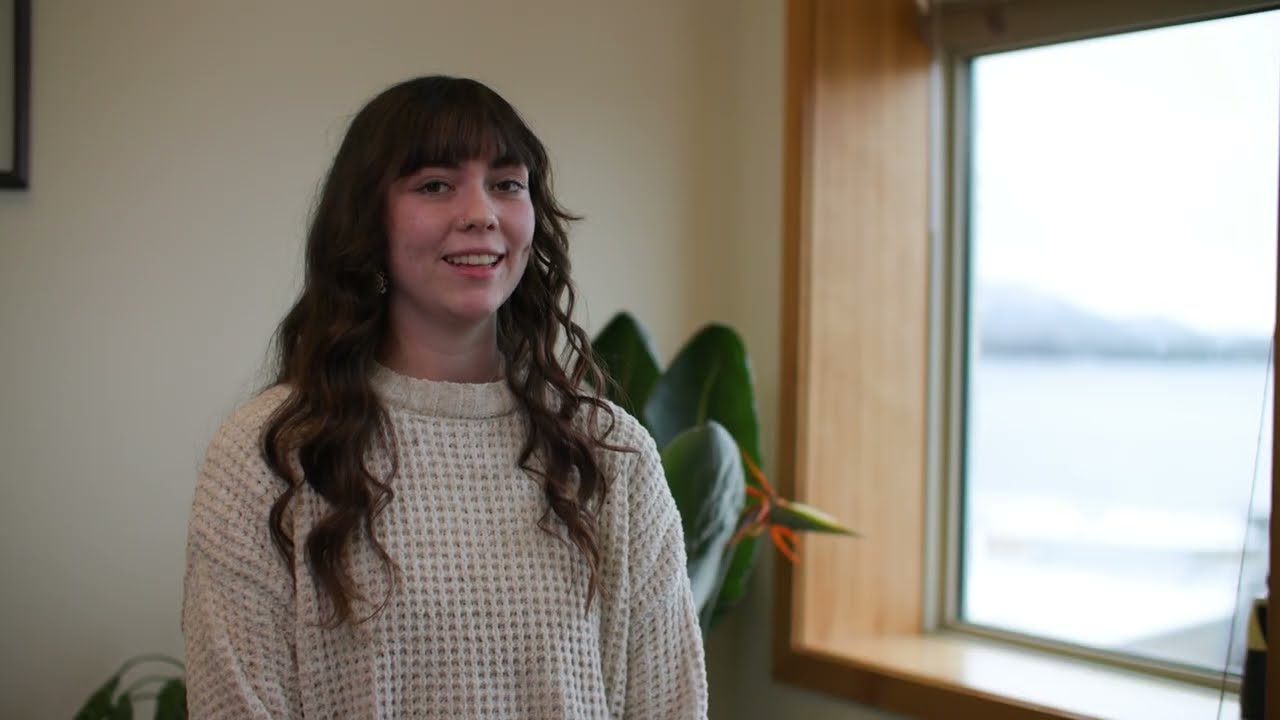
Scholarship recipient Kinaa Seedi is majoring in political science at the University of North Carolina with two minors: sustainability and American Indian and Indigenous studies. She aspires to become an environmental lawyer.
Our scholarship program is dedicated to supporting shareholder and descendant students, such as Kinaa Seedi, by providing them with funding for education and training for their future.


Haida Spruce Root Basket with Lid, by Selina Adams Peratrovich (1889-1984), undated. Given description “Brown, dark brown, and red design…blanket border patterns (Khoo-noo-du-suh-yay-yee) meaning strange or curious blanket. These are designs copied from the blankets introduced by the Hudson’s Bay Company. This design does not appear on the oldest baskets, but go well back before the purchase of Alaska from the Russians.”
GENERATIONAL
KNOWLEDGE
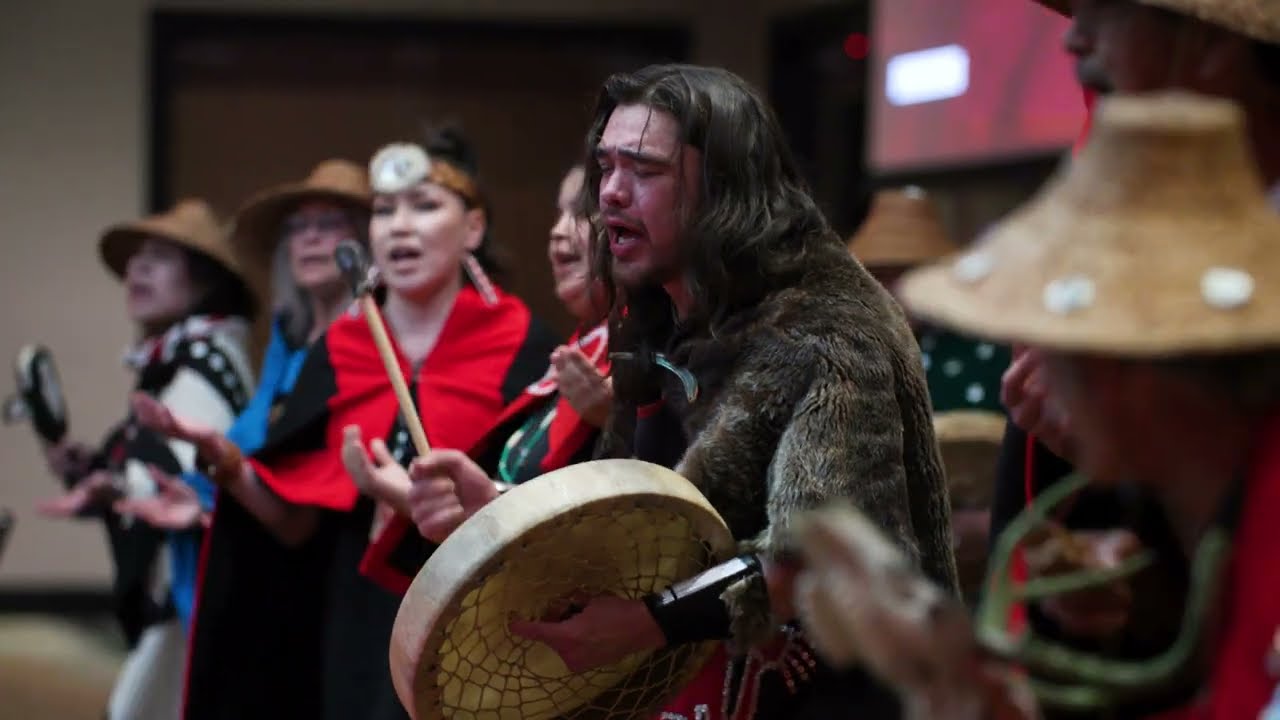
In the 1970s, this remarkable husband and wife team produced a Sm’algyax version of McNally Educational Productions’ “Let’s Learn Language,” a ten-episode puppet series that still influences learners today. They translated each episode, voiced the characters and infused the stories with heartfelt Ts’msyen teachings.
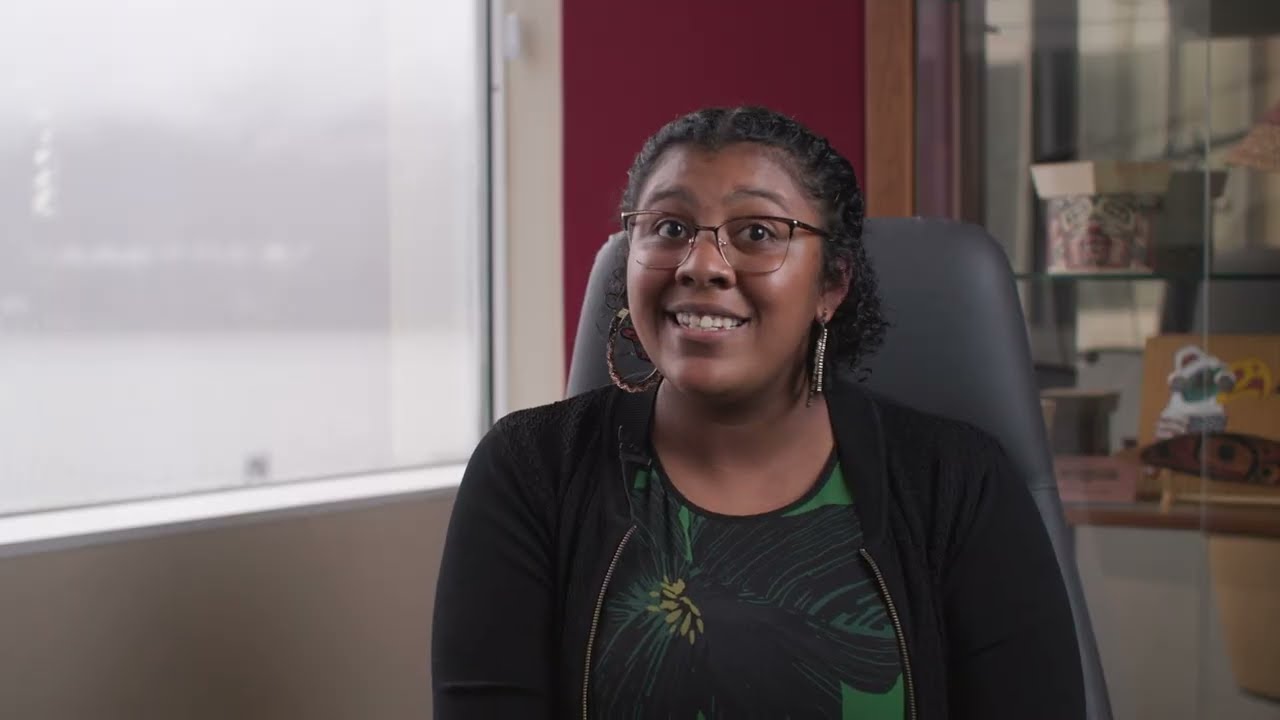
With support from Sealaska Corporation’s Language Grant, Dr. Mique’l Dangeli and her son, filmmaker Nick Dangeli, made this resource more accessible to learners. Known to many as “Suzie and Jimmy,” the series was largely unused until in 2011 when Arnold gifted his VHS copy to his niece, Mique’l, so she could digitize it for her Sm’algyax classes. Arnold was her lifelong teacher, mentor and one of her favorite uncles.
At the time this was the only resource Mique’l had that was fully in Sm’algyax. In 2017, Mique’l worked with first language speaker Velna Nelson to create full transcripts to help learners get the most from the show’s rich Sm’algyax dialogue.
Episodes one through five are now available on YouTube, with mini-lessons planned for Instagram. Mique’l and Nick are grateful for the opportunity to make this treasured Sm’algyax resource accessible to learners of all levels. Their work aligns with the Sealaska Language Fund, created from carbon credit revenue to support Tlingit, Haida and Tsimshian language speakers. At the halfway point of its ten year commitment, the fund continues to uplift advanced learners who carry ancestral knowledge forward for future generations.


Tsimshian Red Cedar Basket with Lid, by Violet Booth (1911-1996), undated. Geometric design, white design band, between red and black bands.


In loving memory
Marlene Slath Jaa Klaa, Lákooti Johnson, passed away at the age of 90 on January 25, 2026. Marlene, a respected Tlingit leader of Xúna Kaawu (T’akdeintaan, Taax Hít), was a staunch advocate for the arts, education, and land rights, including the 1971 Alaska Native Claims Settlement Act (ANCSA) and the ensuing regional and village corporations like Sealaska and Huna Totem Corporation.
Born August 4, 1935, Marlene was shaped by the values passed down by her Tlingit elders. After high school, she pursued vocational training and continued her education at the University of Oregon and Washington State University, where she studied management and financial administration.
Throughout the 1960s, Marlene’s influence grew as she took on significant roles serving her communities with honors such as the chair of RuralCAP and vice president of the Central Council of Tlingit and Haida.
As a founding member of Sealaska, she was the only woman at its incorporation and later helped organize shareholder enrollment and educate Native people about this new corporate system. Marlene served as a board member for Sealaska, Huna Totem and the Sealaska Heritage Institute. She chaired the Southeast Alaska Selective Service Board, and co-founded the Huna Heritage Foundation.
Beyond her work in politics, Marlene was a businesswoman, co-owning Southeast Skyways and serving as a commissioner for the Alaska Commercial Fisheries Entry Commission. She extended her advocacy to numerous nonprofit and educational boards, all while simultaneously raising a family.
Marlene’s enduring legacy is defined by breaking barriers in a male-dominated world, fierce advocacy for Alaska Native rights, leadership, and a spirit of resilience and humor that will continue to inspire.
